Plovdiv is a city where historical layers remain visible in the same urban landscape. From the prehistoric settlement on Nebet Tepe through Thracian and Roman Philippopolis, the Middle Ages, Ottoman rule, the Bulgarian Revival, the Unification and the contemporary cultural city, its history can still be walked today.
Prehistoric roots and the Thracian city
Official Plovdiv sources trace the first settlement on Nebet Tepe back to the sixth millennium BC. The fortified settlement on the Three Hills later became an important Thracian centre, associated with ancient names including Eumolpia and Pulpudeva.
Philippopolis and the Roman city
In 342 BC Philip II of Macedon conquered the city, and Philippopolis became one of its best-known ancient names. After the Thracian lands became part of the Roman Empire, the city developed into a major political, economic and cultural centre of the province of Thrace. The Ancient Theatre, Stadium, Forum, Odeon, fortifications and early-Christian basilicas still make that era unusually visible.
Explore Roman Philippopolis
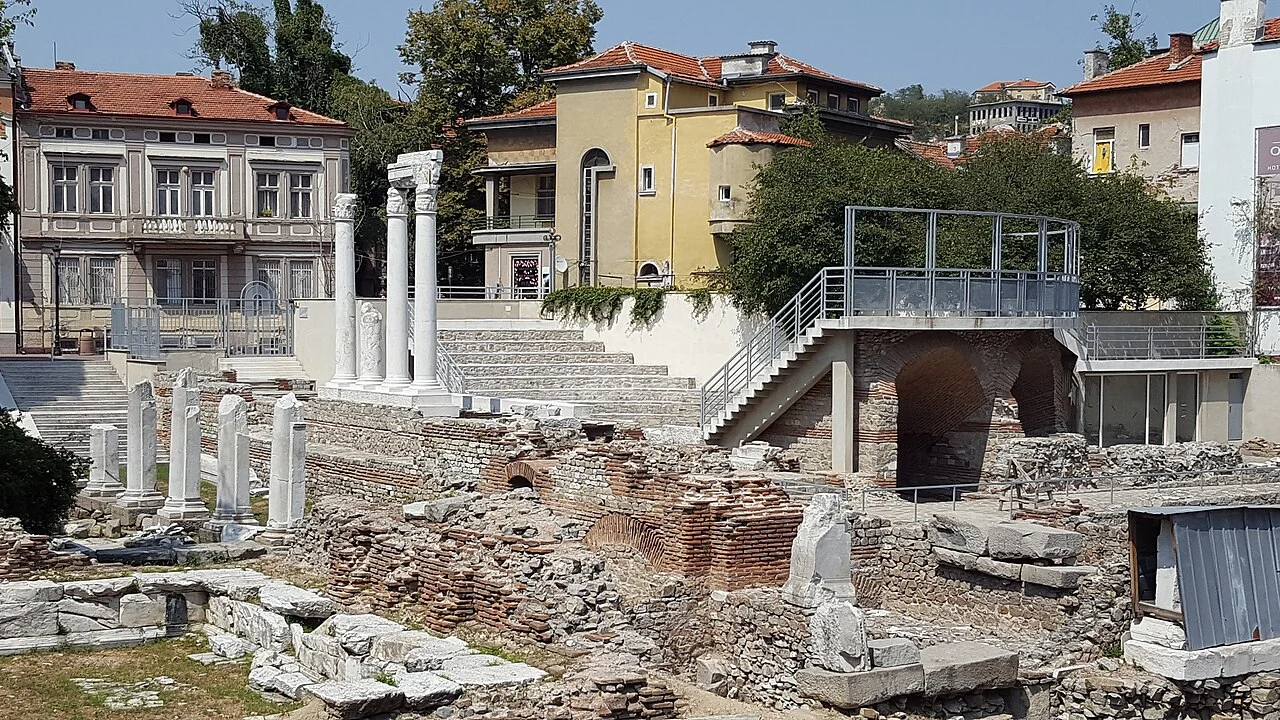
Ancient Odeon of Philippopolis
A smaller Roman performance and civic venue beside the ancient forum complex.
Explore place →
Ancient Theatre of Philippopolis
A remarkably preserved Roman theatre between two Old Town hills, still used for performances and offering one of Plovdiv’s defining archaeological experiences.
Explore place →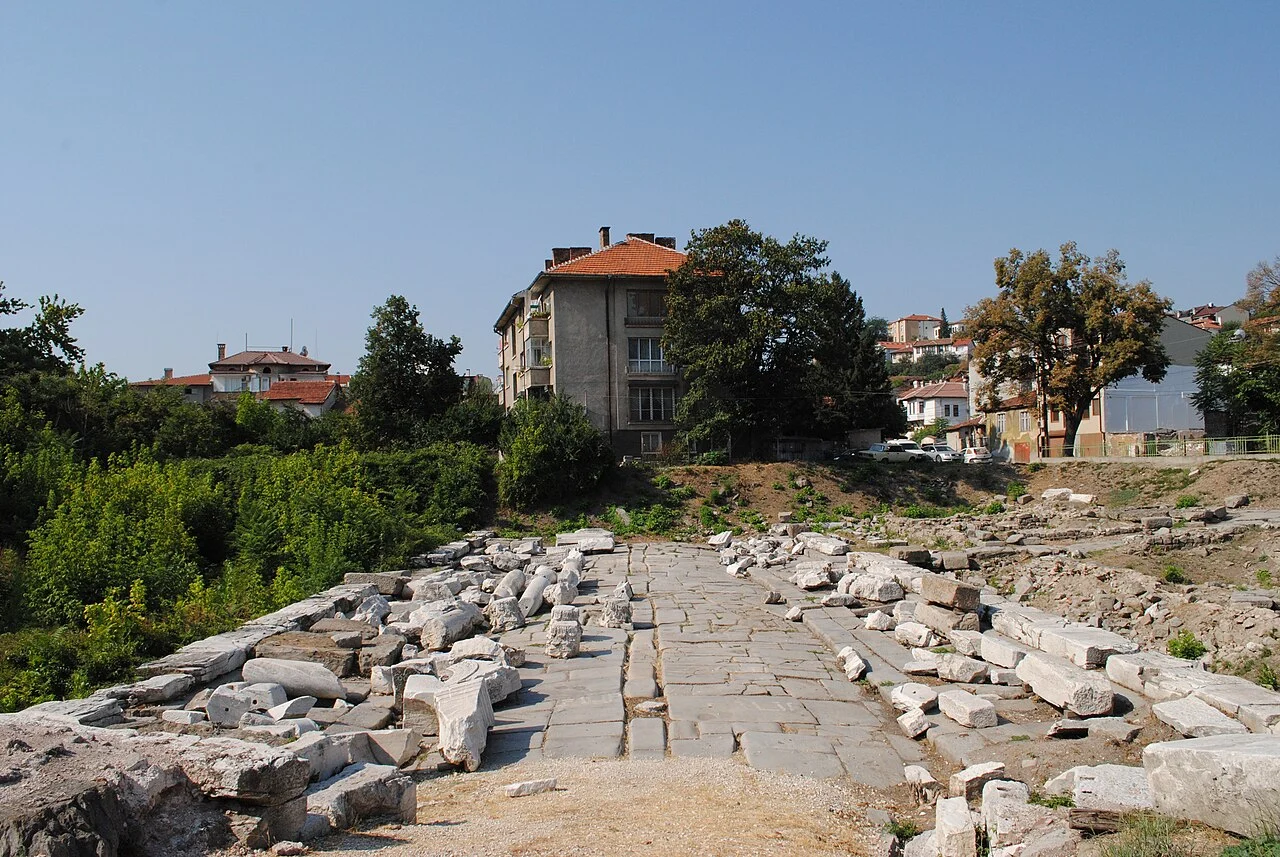
Eastern Gate of Philippopolis
Roman street and gate complex revealing the eastern approach to the ancient city.
Explore place →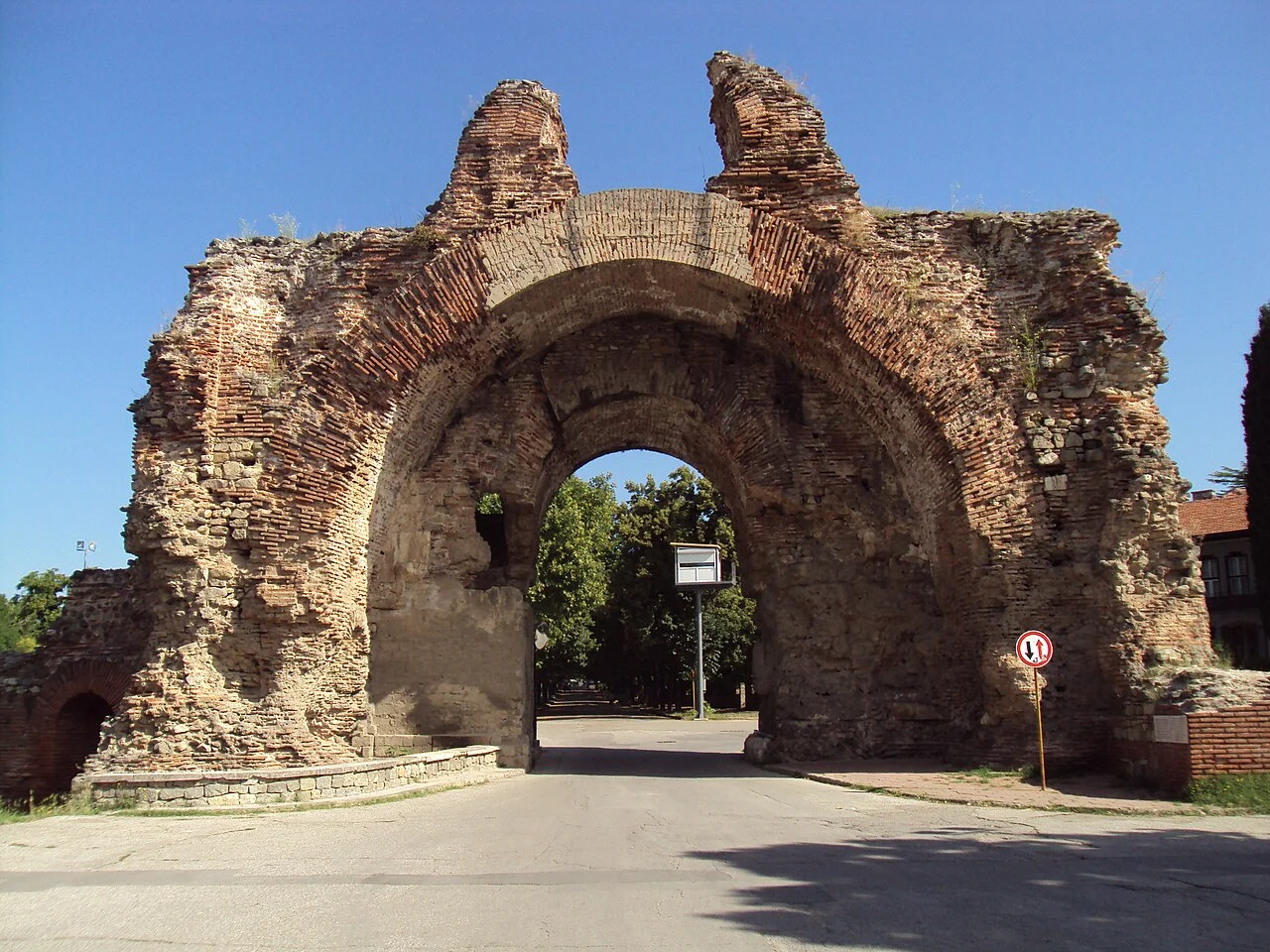
Hisarya Roman Walls & Gates
Exceptional Late Roman fortifications surrounding the spa town of Hisarya.
Explore place →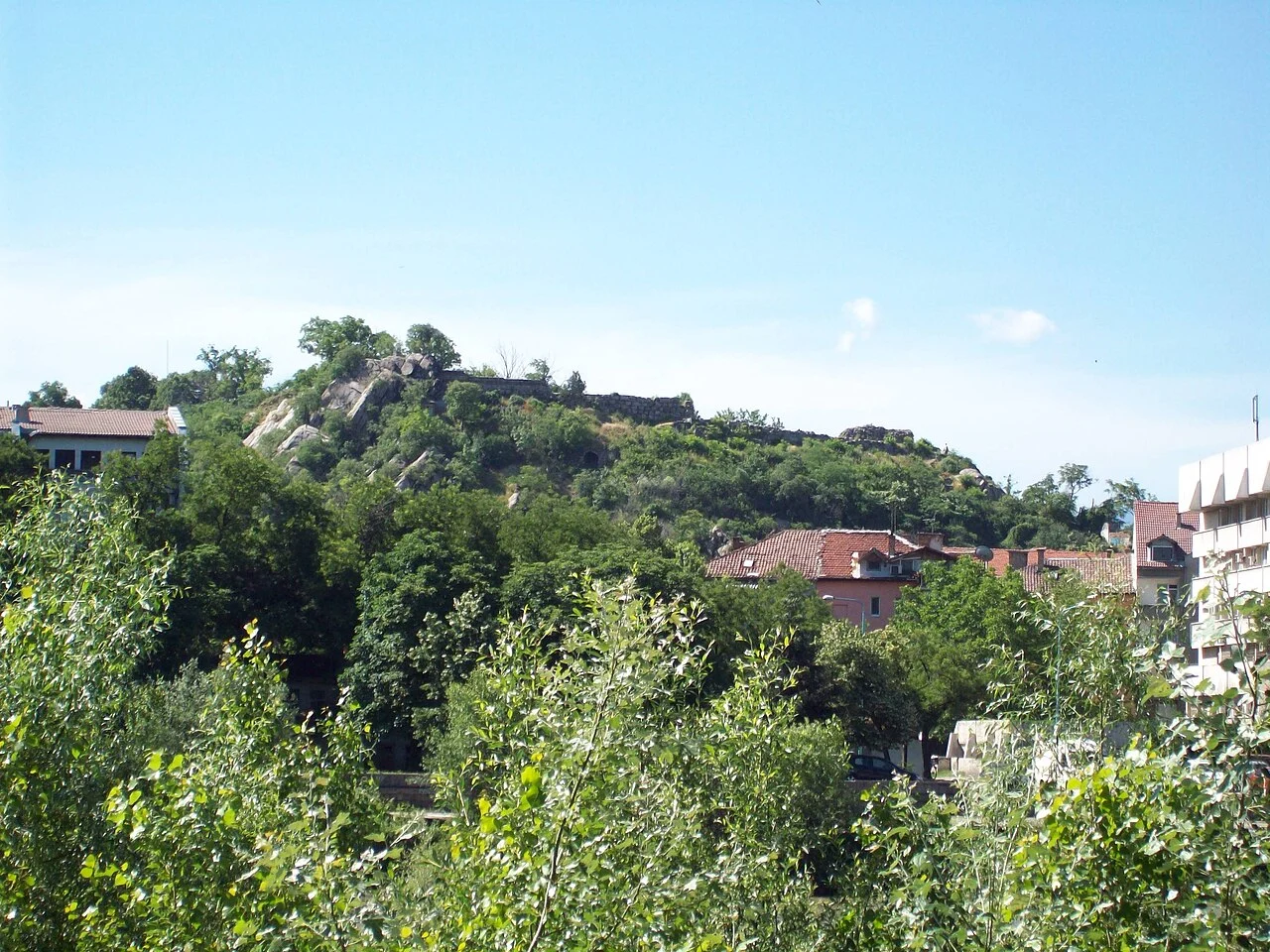
Nebet Tepe
Ancient hilltop archaeology, wide city views and the earliest layers of Plovdiv.
Explore place →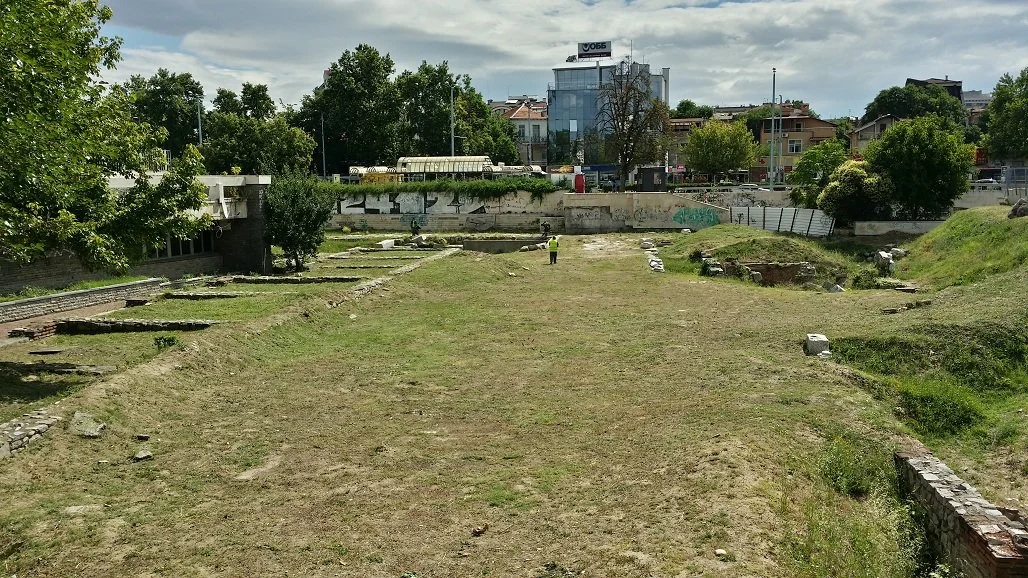
Roman Forum of Philippopolis
The remains of ancient Philippopolis’ civic centre, immediately beside modern Plovdiv’s Central Square.
Explore place →Middle Ages and Ottoman Plovdiv
After the division of the Roman Empire the city remained an important Byzantine stronghold and repeatedly changed hands in the medieval struggle for Thrace. Under Ottoman rule new neighbourhoods, markets, religious buildings and urban infrastructure developed while Plovdiv remained an important commercial centre.
The Bulgarian Revival and the Old Town
During the eighteenth and nineteenth centuries prosperous merchant families built the richly decorated houses that now define much of the Old Town. Churches, schools and cultural institutions made Plovdiv one of the important centres of the Bulgarian National Revival.
Explore Revival-era Plovdiv
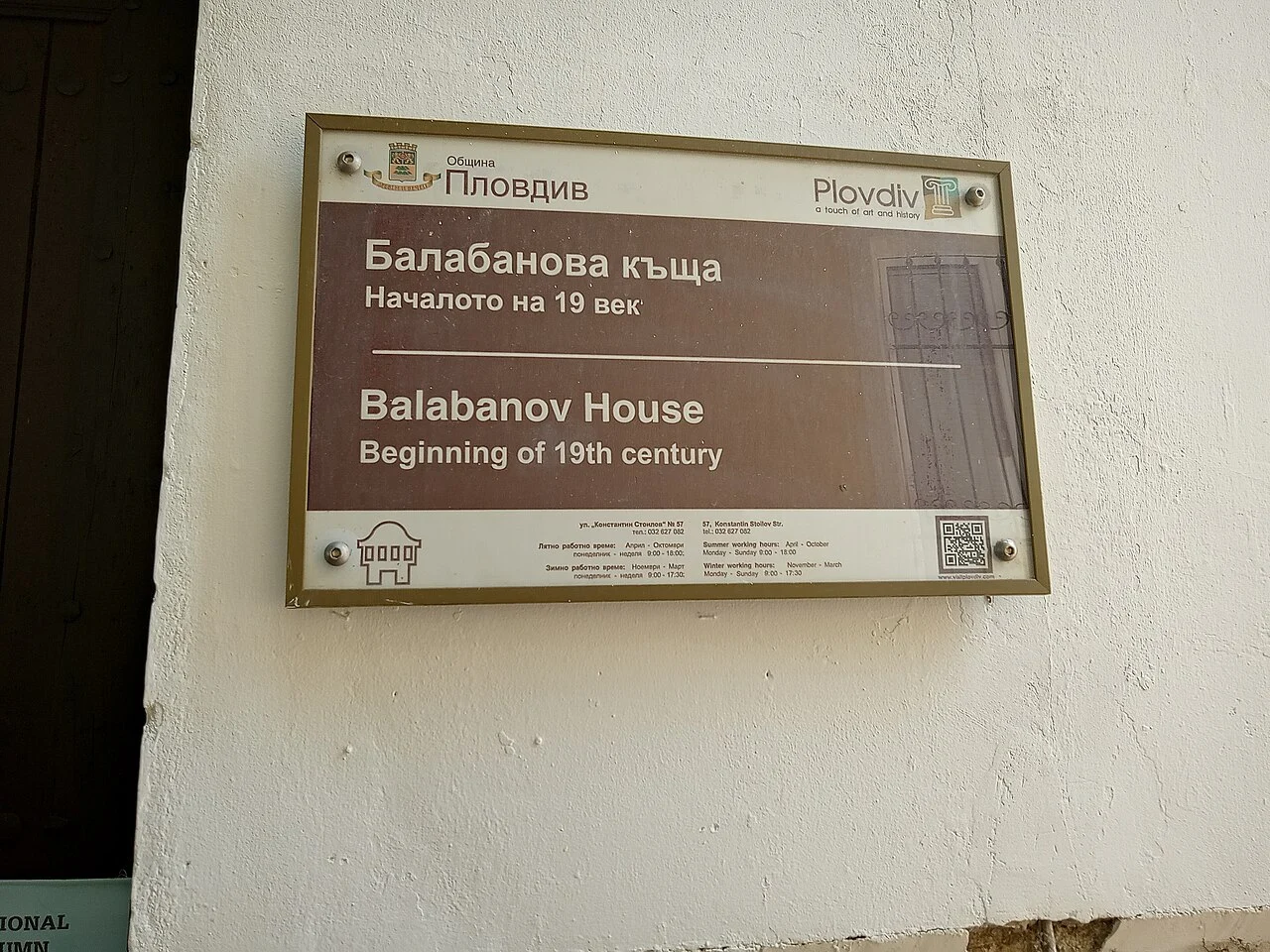
Balabanov House
One of Old Town’s emblematic Revival houses, used today for exhibitions and cultural events.
Explore place →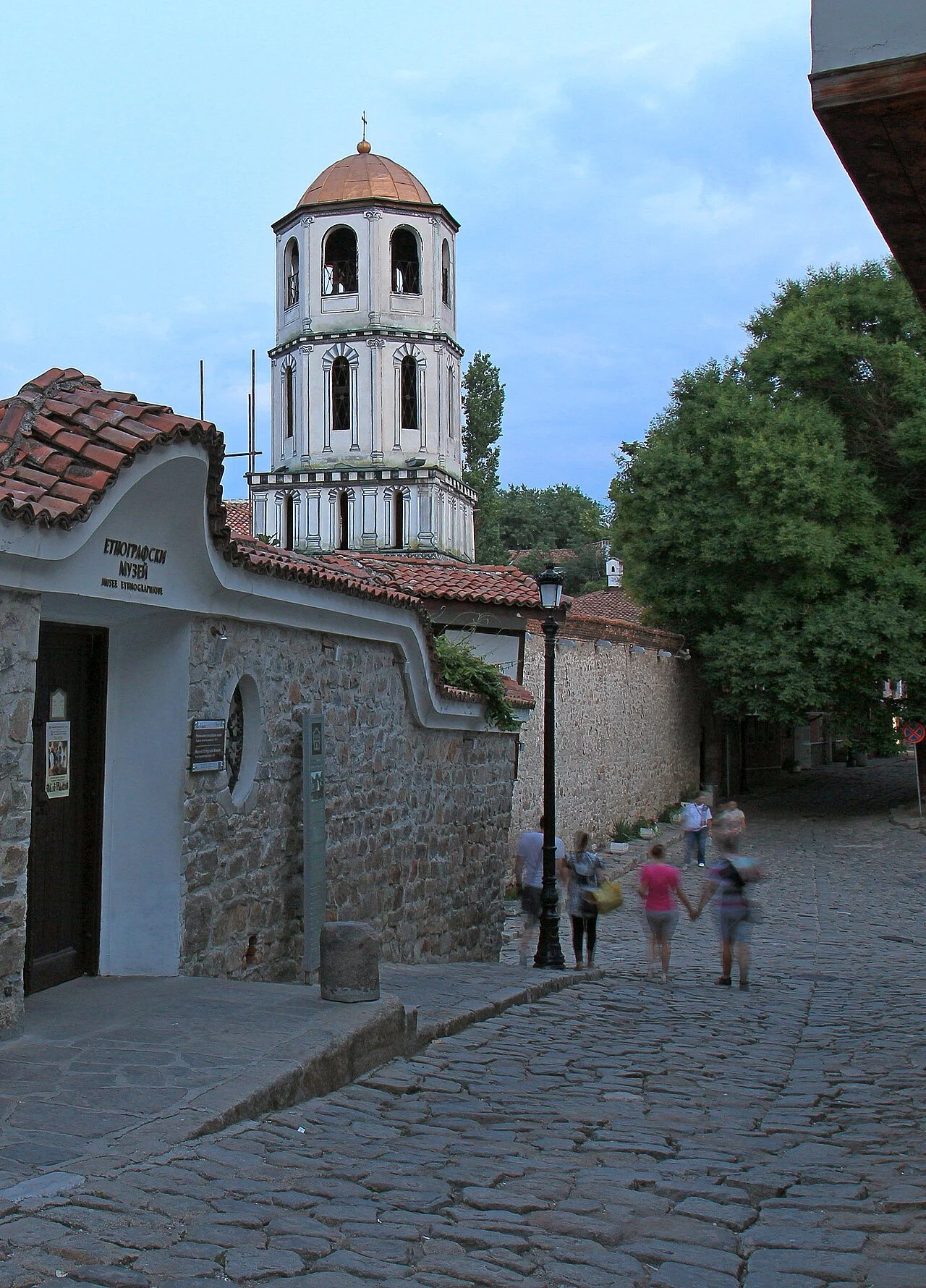
Church of Saints Constantine and Helena
One of Plovdiv’s emblematic Old Town churches, standing beside Hisar Kapia.
Explore place →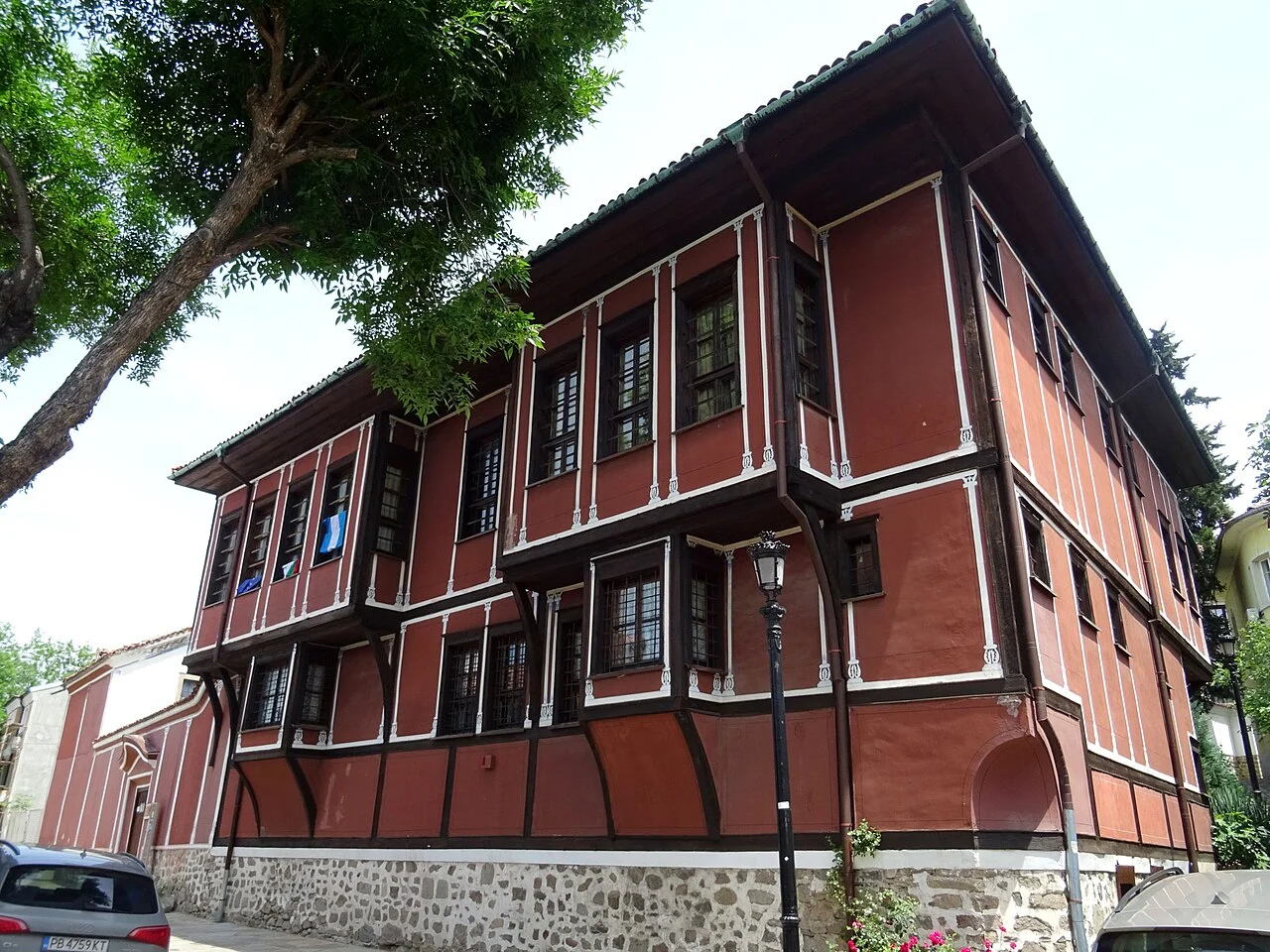
Hindliyan House
Lavishly decorated Revival-era merchant house with preserved interiors and courtyard spaces.
Explore place →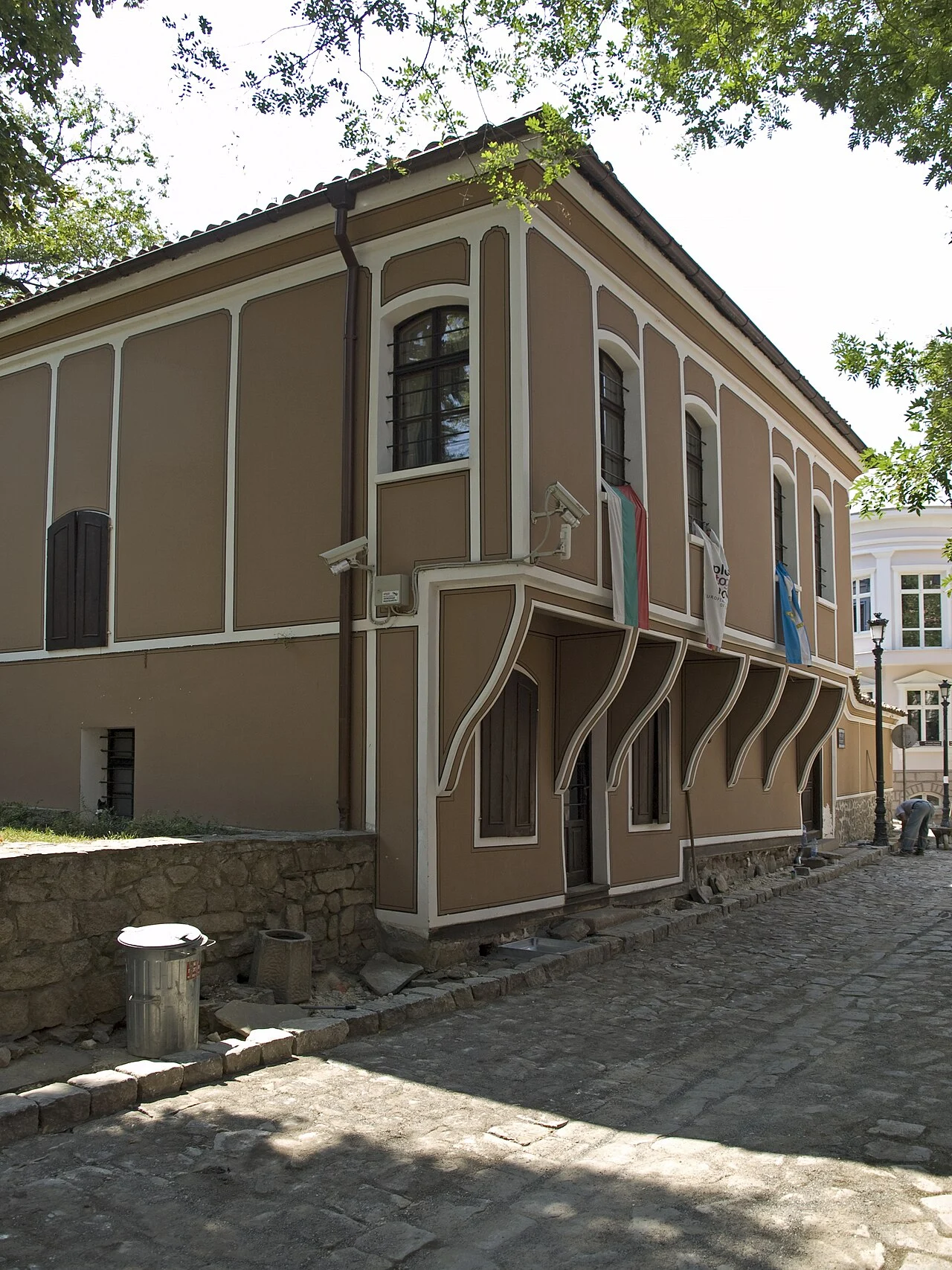
Hippocrates Pharmacy Museum
Small historic pharmacy museum in the Old Town, preserved inside the Antoniadi House.
Explore place →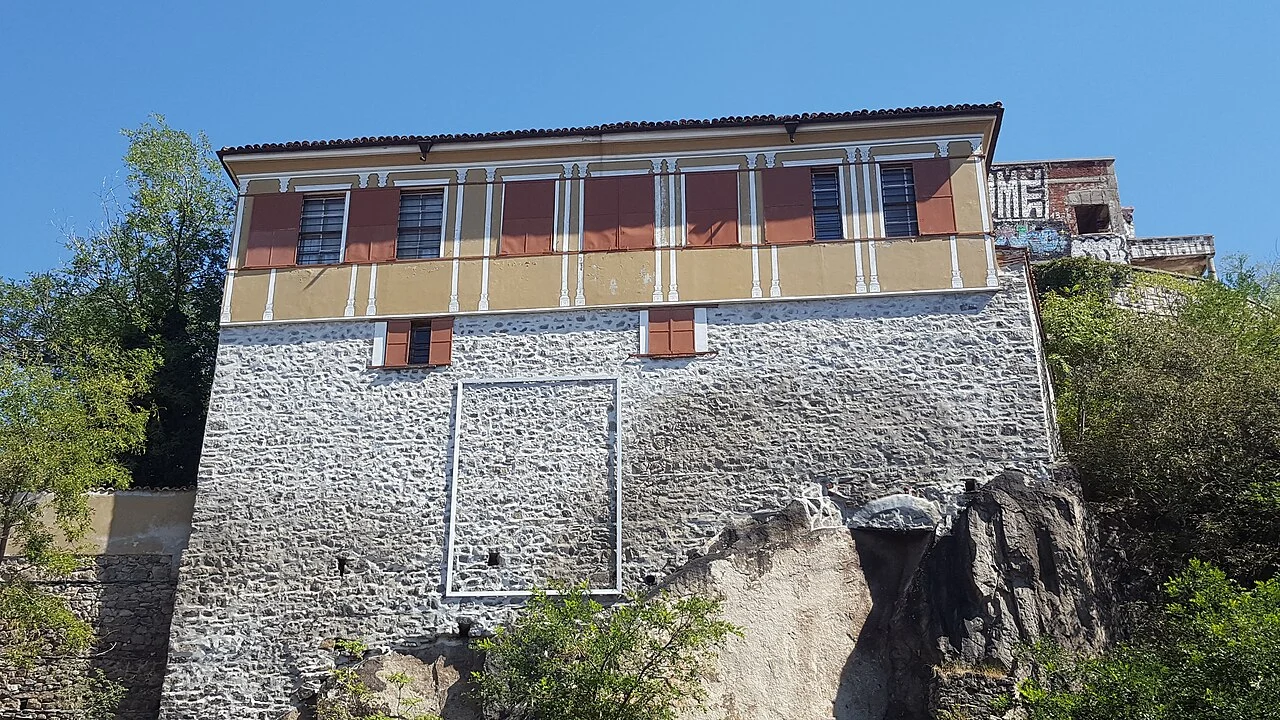
Hristo G. Danov House
Historic house devoted to Bulgarian publishing and education, set inside the Old Town.
Explore place →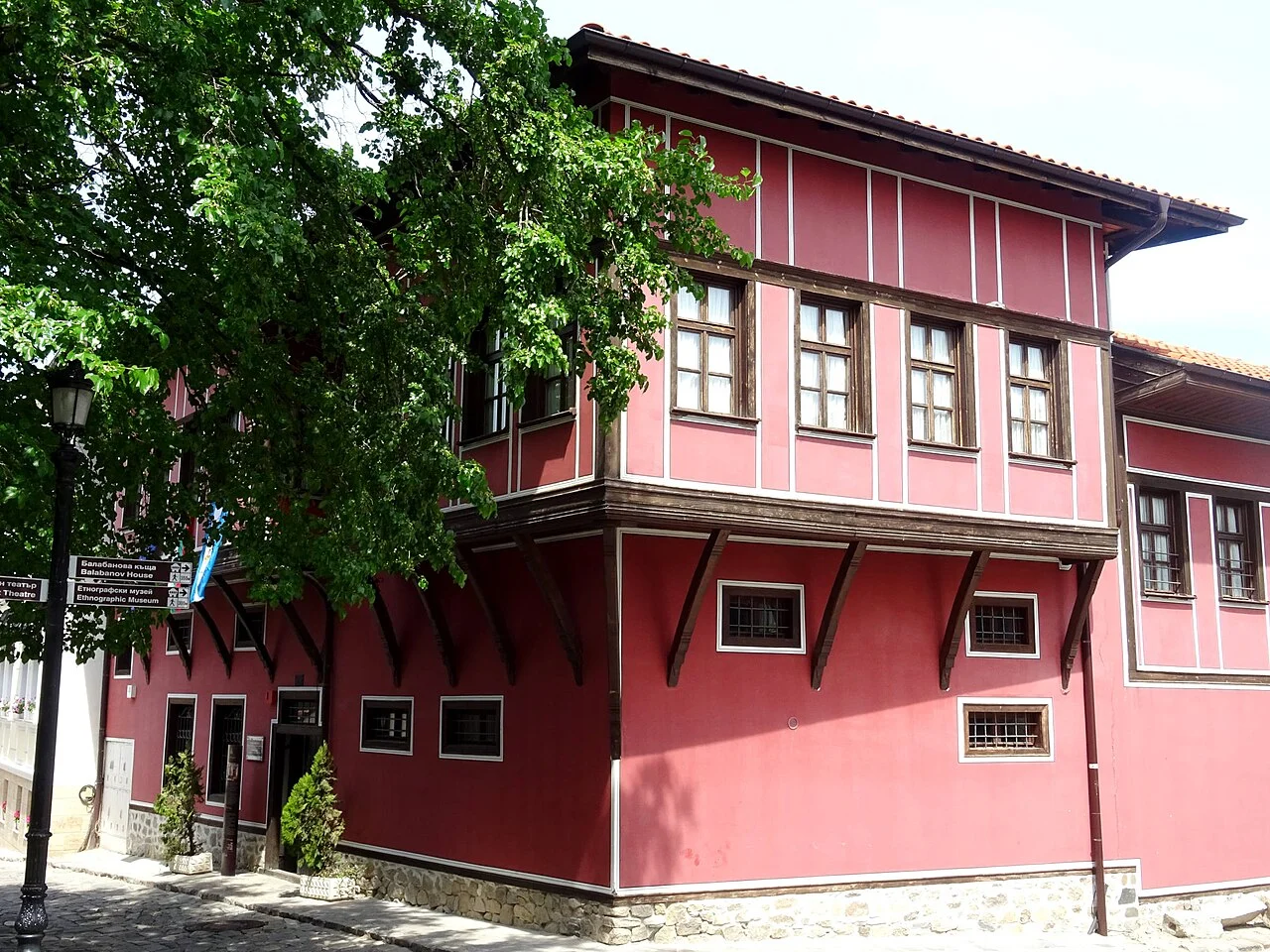
Klianti House
Restored Old Town merchant house with preserved Revival-era interiors and decorative details.
Explore place →Eastern Rumelia and the Unification
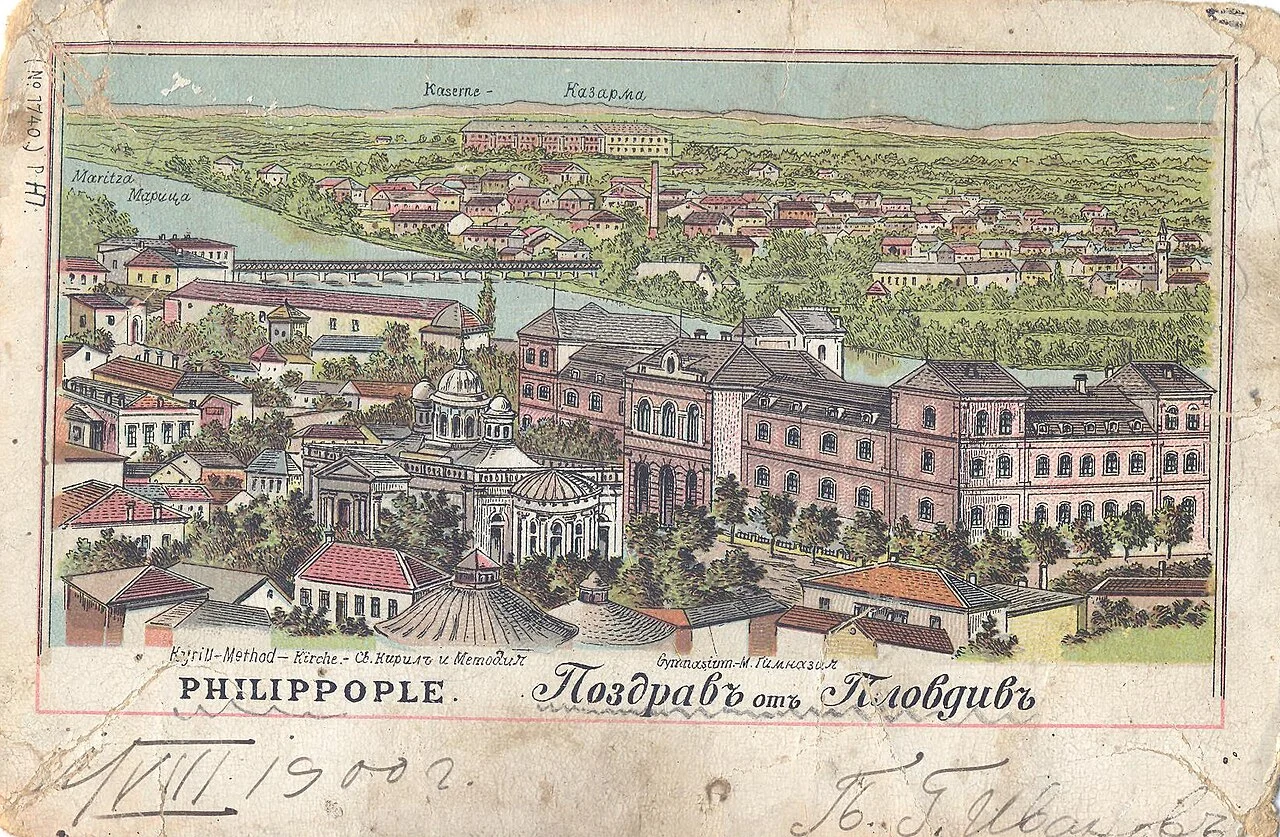
After the Treaty of Berlin, Plovdiv became the capital of autonomous Eastern Rumelia. On 6 September 1885 the Unification of the Principality of Bulgaria and Eastern Rumelia was proclaimed in Plovdiv, placing the city at the centre of a defining moment in modern Bulgarian history.
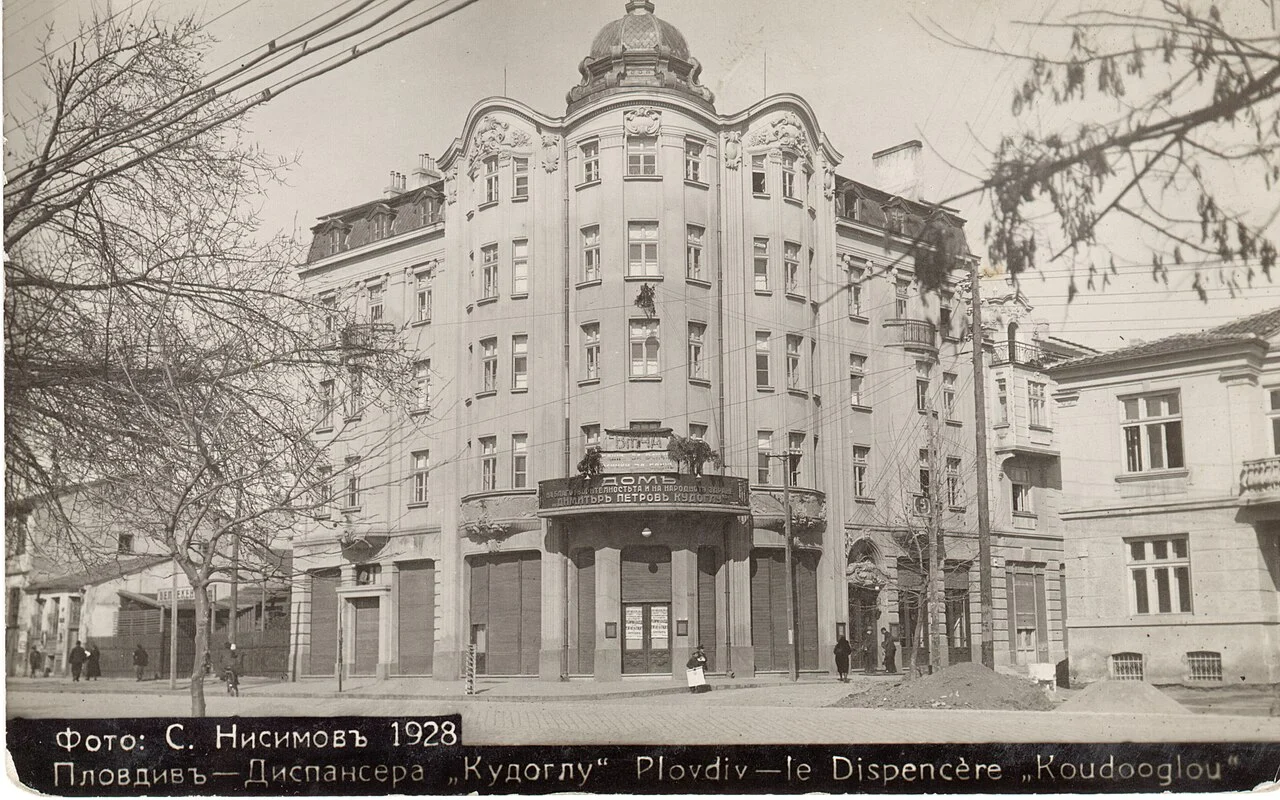
Plovdiv in the modern era
From the late nineteenth century through the twentieth, Plovdiv expanded well beyond its historical core. Public buildings, industry, the International Fair, cultural institutions and new residential districts shaped the modern city while its older layers remained part of everyday life.
European Capital of Culture 2019
In 2019 Plovdiv was a European Capital of Culture together with Matera in Italy, becoming the first Bulgarian city to hold the title. The programme’s motto, Together, emphasised participation, access to culture and bringing different communities into the city’s cultural life.
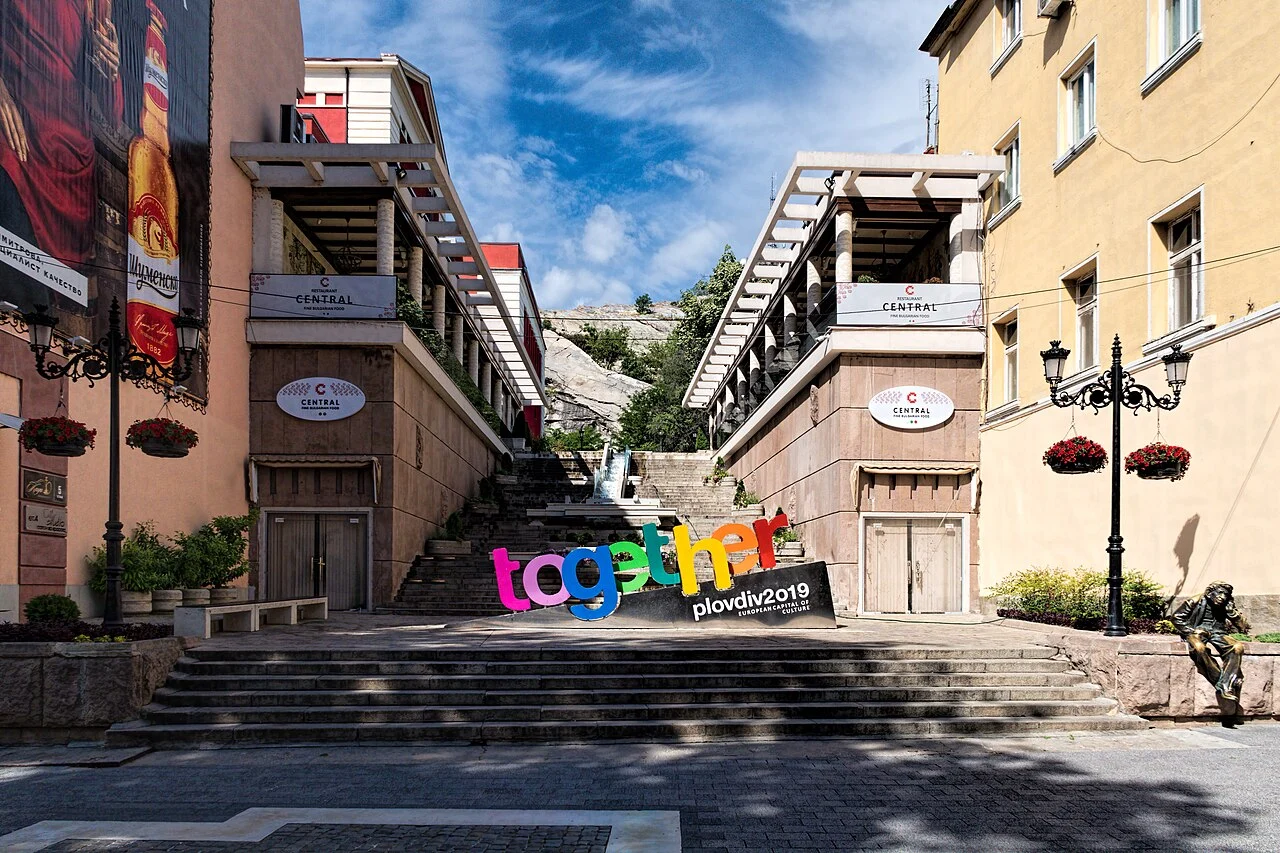
The 2019 title is now part of Plovdiv’s contemporary identity. Kapana’s creative scene, active galleries, festivals, independent cultural spaces and the continued use of the Ancient Theatre demonstrate how heritage and living culture coexist here.
First known settlement traces
Archaeological evidence on Nebet Tepe places human settlement here deep in the Neolithic period.
Eumolpia and the fortified hills
A Thracian settlement developed on the Three Hills, a position that would remain strategically important for centuries.
Philippopolis
Philip II of Macedon took the city, after which the name Philippopolis became associated with it.
Roman Philippopolis
The city expanded as a major centre of Roman Thrace, with monumental public buildings, roads, walls and urban infrastructure.
Late Antiquity
Christian basilicas, mosaics and renewed fortifications marked the transition from the Roman to the early Byzantine city.
A contested stronghold
The city remained strategically important between the Byzantine and Bulgarian worlds and changed hands repeatedly.
A new urban landscape
Plovdiv developed as a commercial and craft centre, while the hilltop city and lower town continued to evolve.
Bulgarian Revival
Prosperous merchant houses, churches and schools reshaped the Old Town and produced much of the architecture visitors see today.
Eastern Rumelia
After the Russo-Turkish War, Plovdiv became the capital of Eastern Rumelia.
The Unification
The political act of Unification linked Eastern Rumelia with the Principality of Bulgaria; Plovdiv remains closely associated with the event.
European Capital of Culture
Plovdiv held the European Capital of Culture title, bringing hundreds of cultural projects and a lasting focus on creative urban life.